
Innovative electric rooflights are transforming home design by seamlessly integrating functionality and aesthetics.
These advanced solutions offer a unique way to enhance natural light while promoting energy efficiency. With features that allow for remote operation and smart integration, homeowners can customize their living spaces more than ever before.
As this trend gains momentum, one must consider the implications for both comfort and sustainability in modern architecture. What does this mean for the future of home environments?
While many homeowners seek ways to enhance their living spaces, electric rooflights offer a distinctive solution that combines functionality and aesthetic appeal. These innovative fixtures provide the convenience of remote operation, allowing users to control natural ventilation and light with ease.
Electric rooflights also enhance energy efficiency, enabling homeowners to regulate indoor temperatures by facilitating airflow. Additionally, their sleek designs contribute to modern architectural aesthetics, making them a stylish choice for various settings.
They can also increase property value, as prospective buyers often appreciate the blend of practicality and elegance that electric rooflights bring to contemporary living spaces.
Electric rooflights not only provide ventilation and energy efficiency but also play a significant role in enhancing the natural light within a home. By strategically placing these rooflights, homeowners can maximize sunlight penetration, reducing reliance on artificial lighting during the day.
This influx of natural light creates a more inviting atmosphere, promoting well-being and comfort. Additionally, electric rooflights can be adjusted to control brightness levels, allowing residents to tailor their environment to their preferences.
This innovative design feature not only brightens spaces but also highlights architectural elements, contributing to a harmonious blend of aesthetics and functionality in contemporary home design.
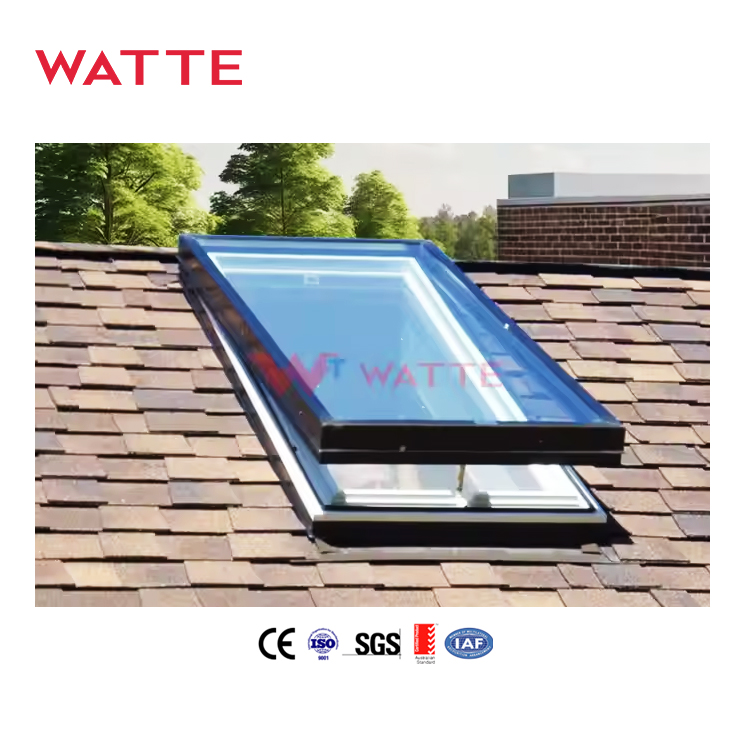
As homeowners increasingly seek convenience and efficiency, the integration of smart features into electric rooflights has become a game-changer for modern living. These advanced systems allow users to control natural light and ventilation through smartphone apps or voice commands, enhancing comfort and energy management.
Automated sensors can adjust rooflight openings based on weather conditions, optimizing temperature regulation within the home. Additionally, integration with smart home systems enables seamless coordination with lighting, heating, and security features.
This technological evolution not only simplifies daily routines but also promotes sustainability, making electric rooflights an essential component of contemporary home design.
Although the primary function of rooflights is to enhance natural light and ventilation, their design versatility and aesthetic appeal have made them a favored choice among architects and homeowners alike.
Available in various shapes, sizes, and materials, electric rooflights can seamlessly integrate into diverse architectural styles, from contemporary to traditional. Their sleek, unobtrusive designs can enhance the overall look of a space while providing unique focal points.
In addition, customizable options allow homeowners to tailor the rooflights to their specific tastes, creating a harmonious blend of functionality and beauty. This adaptability contributes considerably to the growing popularity of innovative electric rooflights in modern home design.
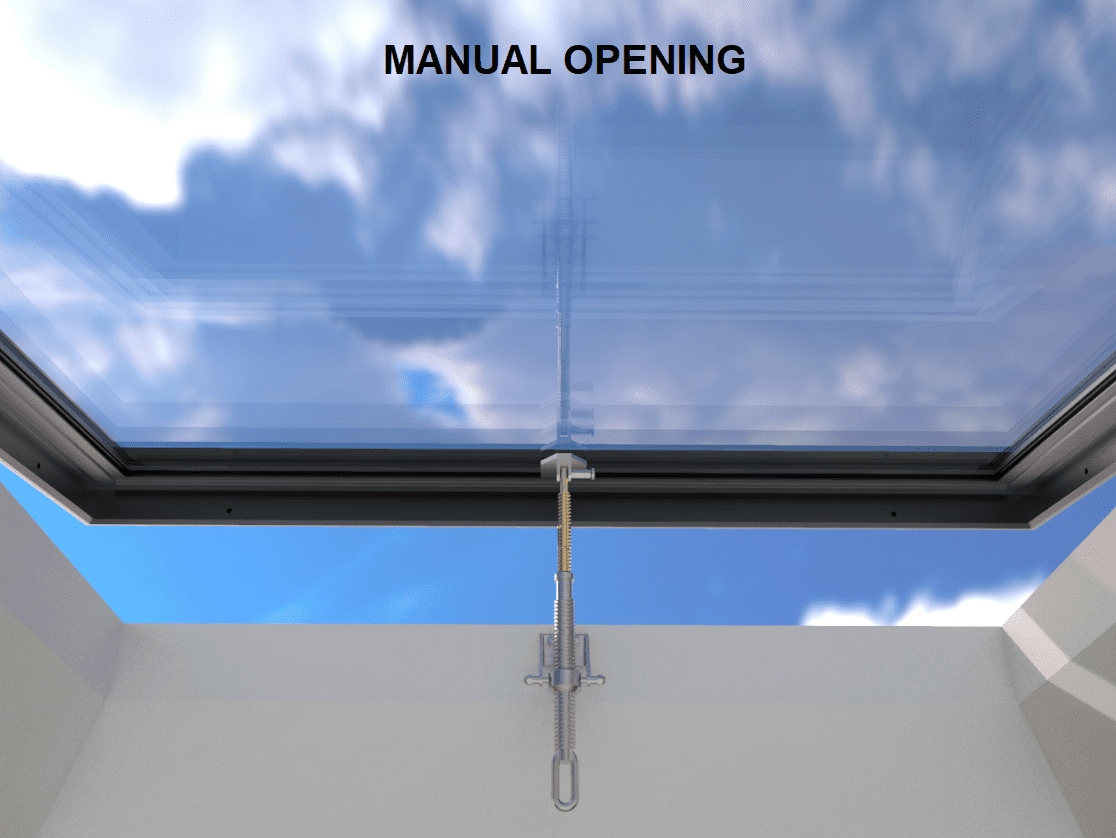
While enhancing natural light and ventilation, innovative electric rooflights also contribute greatly to energy efficiency and sustainability. By allowing more daylight into living spaces, these rooflights reduce reliance on artificial lighting, thereby lowering electricity consumption.
Their advanced glazing options minimize heat loss during winter while maximizing solar heat gain in summer, promoting a balanced indoor climate. Additionally, many electric rooflights are designed with eco-friendly materials, aligning with sustainable building practices.
As homeowners become increasingly aware of their environmental impact, incorporating such energy-efficient solutions not only enhances comfort but also supports a commitment to sustainable living and reduced carbon footprints.
When considering the installation of innovative electric rooflights, careful planning is essential to guarantee peak performance and longevity. Professionals recommend evaluating structural integrity and ensuring compatibility with existing roofing systems.
Proper sealing and waterproofing are critical to prevent leaks and moisture damage. Electrical connections should comply with local codes, necessitating the assistance of a qualified electrician. Regular maintenance, including cleaning and inspection of moving parts, will enhance functionality and lifespan.
Homeowners should also monitor the control systems for software updates, ensuring seamless operation. By addressing these considerations, the benefits of electric rooflights can be fully realized in modern home design.
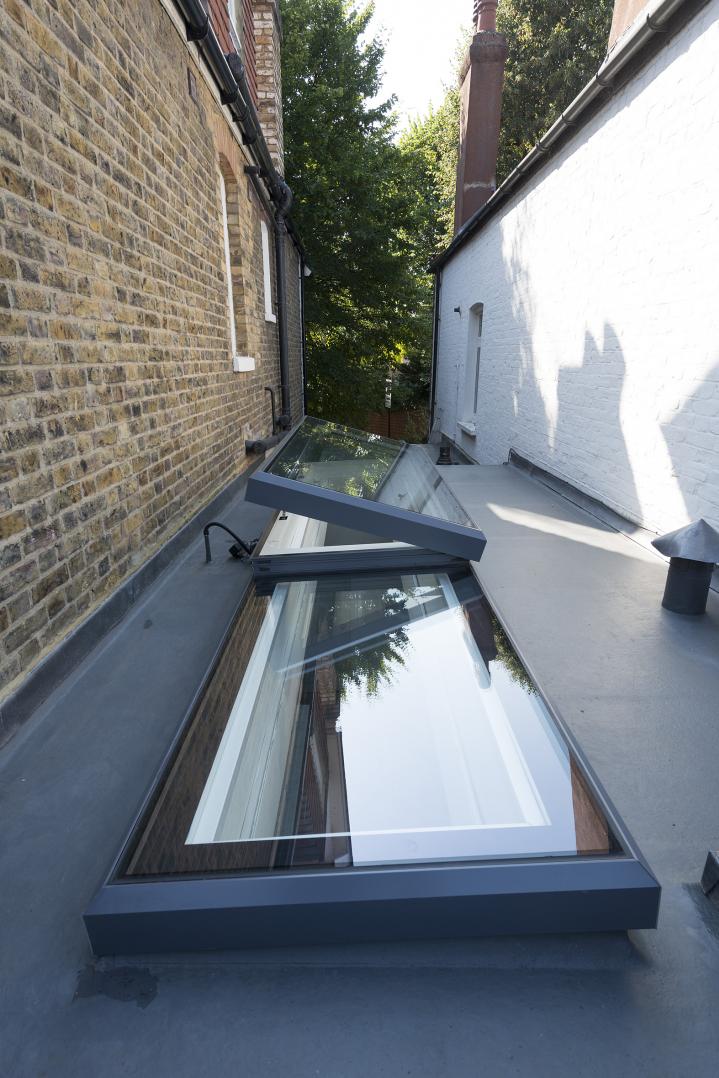
Electric rooflights are not universally suitable for all types of roofs. Their installation depends on various factors including roof structure, angle, and materials. Flat roofs often accommodate electric rooflights better than pitched roofs, which may require additional modifications. In addition, considerations like drainage and insulation must be accounted for to guarantee functionality and energy efficiency. Consulting with a professional can help determine the viability of electric rooflights for specific roofing systems.
There are several types of electric rooflights available, including fixed, ventilated, and automated options. Fixed rooflights provide natural light without ventilation, while ventilated models allow for airflow, making them ideal for humid spaces. Automated electric rooflights can be opened and closed remotely, offering convenience and energy efficiency. Additionally, some designs feature integrated sensors for rain detection, ensuring they close automatically during inclement weather, enhancing both functionality and comfort in home environments.
Yes, electric rooflights can be installed in existing homes. Homeowners can retrofit these innovative features into their current architecture, enhancing natural light and ventilation. The installation process may involve structural modifications, depending on the existing roof design and space availability. Professional assessment is recommended to guarantee compatibility and maximize energy efficiency. With proper planning, electric rooflights can greatly improve the aesthetic appeal and functionality of a home, making it brighter and more inviting.